
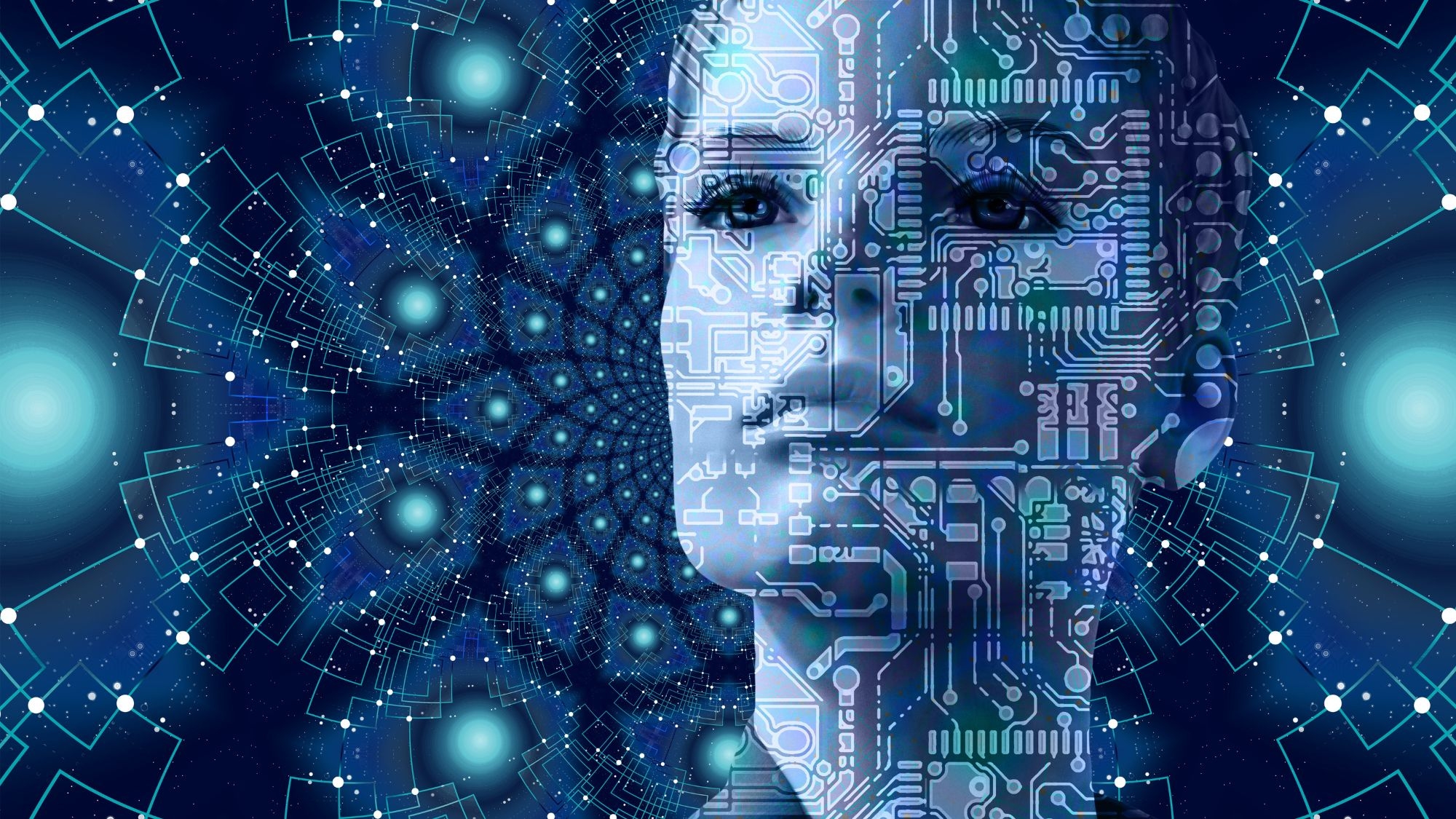
At the heart of modern artificial intelligence lies the neural network—a digital structure modeled after the neurons in the human brain. These systems are designed to recognize patterns, learn from data, and make decisions, forming the foundation for technologies like facial recognition, voice assistants, and autonomous vehicles.
Neural networks are composed of layers of interconnected nodes (neurons), where each connection carries a weight that adjusts through training. Deep learning, a subfield of machine learning, involves networks with many layers that can model complex relationships and abstract concepts.
When trained on large datasets, these networks can learn to recognize faces, understand speech, or translate languages with impressive accuracy. However, they also inherit the flaws of their data—biases, errors, and blind spots—which can lead to problematic outcomes.
Despite their power, neural networks remain a “black box” in many ways. Researchers continue to explore methods to interpret their internal workings and ensure they make decisions fairly and transparently. As neural networks grow in sophistication, they increasingly mimic the processes of human learning—but without emotion, consciousness, or morality.
Despite their power, neural networks remain a “black box” in many ways. Researchers continue to explore methods to interpret their internal workings and ensure they make decisions fairly and transparently. As neural networks grow in sophistication, they increasingly mimic the processes of human learning—but without emotion, consciousness, or morality.
Add a Comment