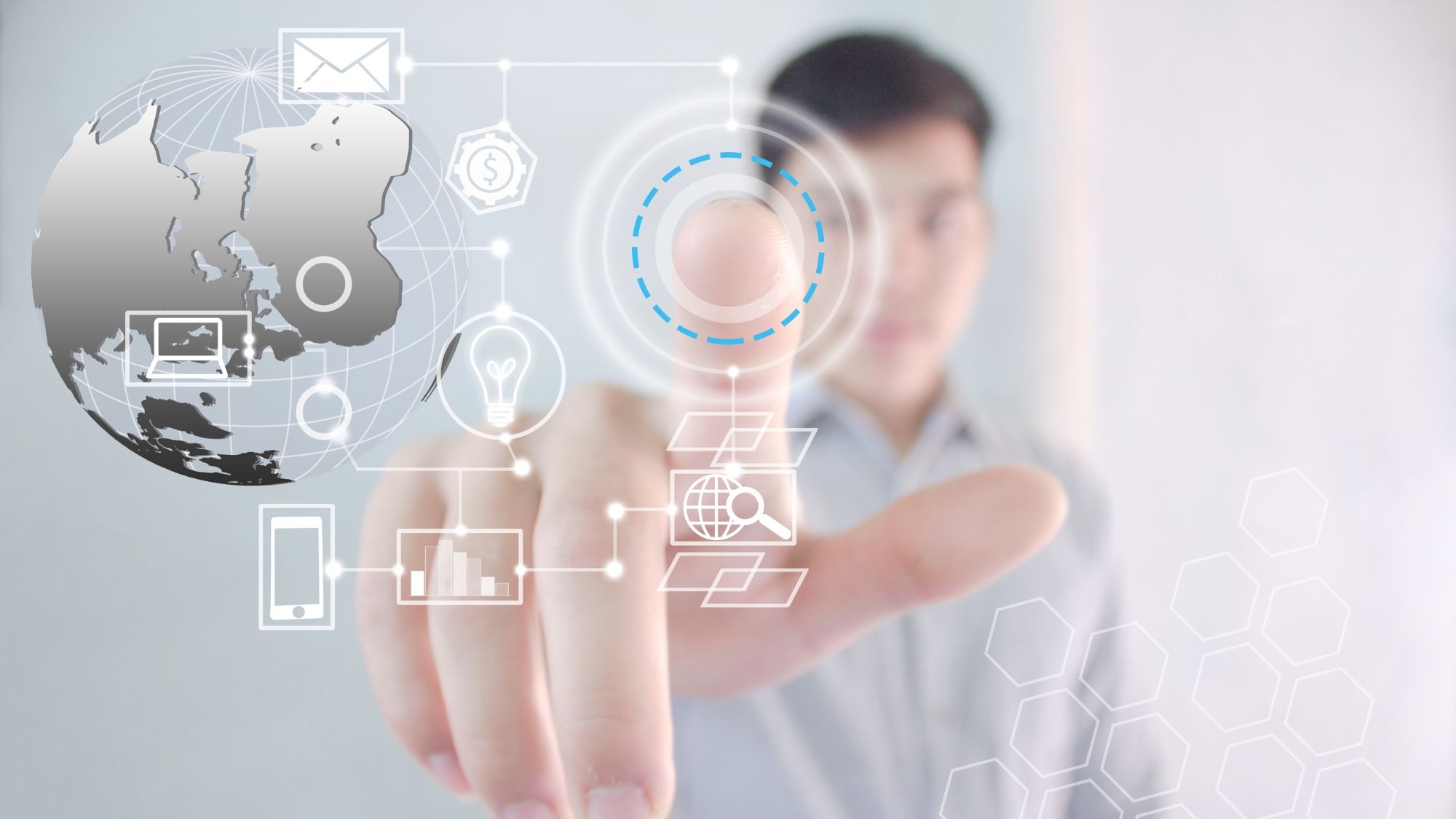
The workplace is evolving rapidly, and artificial intelligence is one of the driving forces behind this transformation. Far from simply replacing human workers, AI is changing how we work, what we do, and the skills we need to succeed.
Routine, repetitive tasks—such as data entry, basic reporting, or inventory tracking—are increasingly automated. But rather than eliminating jobs, AI is freeing up humans to focus on more strategic, creative, and emotionally intelligent roles.
AI tools are augmenting human capabilities. Writers use AI to brainstorm ideas. Developers use code-completion tools like GitHub Copilot. Marketers rely on AI to analyze customer behavior and optimize campaigns.
This shift demands new skills. Critical thinking, data literacy, creativity, and emotional intelligence are now essential. Technical skills like prompt engineering, data analysis, and AI ethics are also in high demand.
Remote work has further amplified the impact of AI, enabling collaboration across borders, languages, and time zones. In this hybrid environment, AI acts as both a facilitator and a bridge.
The future of work belongs to those who can adapt, collaborate with AI, and continuously learn. It’s not man vs. machine—it’s man and machine.
7. Digital Twins: How AI is Simulating Reality for Innovation
Imagine a virtual replica of a physical object, process, or system—constantly updated with real-time data. That’s the power of digital twins, a technology that is revolutionizing design, testing, and innovation across industries.
Digital twins provide a dynamic simulation of assets—from buildings and engines to entire cities. With AI, these models don’t just replicate—they learn, adapt, and predict outcomes. This allows companies to run simulations, test scenarios, and identify issues before they occur in the real world.
In manufacturing, digital twins monitor machine performance and predict maintenance needs, reducing downtime. In healthcare, they model patient journeys to improve outcomes. In aviation, companies like Rolls-Royce and Airbus use digital twins to optimize engine performance.
Smart cities are beginning to implement digital twins to manage traffic, energy consumption, and emergency services. With AI, these virtual environments can respond to real-world events in real time.
The combination of AI and digital twins offers a safe, cost-effective way to innovate, experiment, and plan for the future.
8. AI for Good: Transforming Humanitarian Efforts with Smart Technology
Artificial intelligence has immense potential to benefit society—and nowhere is this more evident than in humanitarian work. From disaster relief to healthcare and food security, AI is becoming a force for good.
In disaster zones, AI-powered drones and satellite imagery help first responders assess damage, locate survivors, and deliver aid more effectively. In healthcare, mobile apps using AI are diagnosing diseases in remote regions where doctors are scarce.
AI also supports environmental protection. It tracks deforestation, monitors wildlife populations, and detects pollution from space. These insights inform conservation efforts and policies.
In the fight against hunger, AI predicts crop yields and helps farmers adapt to climate change. It also improves supply chains, ensuring food reaches the people who need it most.
Organizations like the UN, World Food Programme, and many NGOs are leveraging AI to scale their missions. The key is to ensure that AI tools are inclusive, transparent, and guided by ethical principles.
When used responsibly, AI can amplify the impact of humanitarian work—bringing technology and compassion together to change lives.
Let me know if you’d like these articles in Urdu, formatted in HTML for WordPress, or if you want featured images and meta descriptions for each.
Add a Comment